*This post may contain affiliate links to support the cost of this blog. At no cost to you, I may make a small commission if you purchase through these links. Read our Privacy Policy HERE
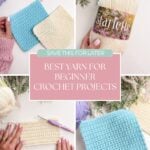
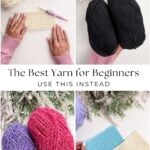
When you’re learning to crochet, the yarn you choose can either make the process feel smooth and encouraging or unnecessarily difficult and frustrating.
One of the most common things I see in my community is beginners thinking they’re doing something wrong, when in reality the yarn they’re using is making it much harder to learn. Yarn choice matters far more than people realize, especially in the early stages.
Starting with the right yarn helps you:
- See your stitches clearly
- Learn where to place your hook
- Count stitches accurately
- Build confidence faster
What to Look for in Beginner-Friendly Yarn
When you’re first learning to crochet, look for yarn with these qualities:
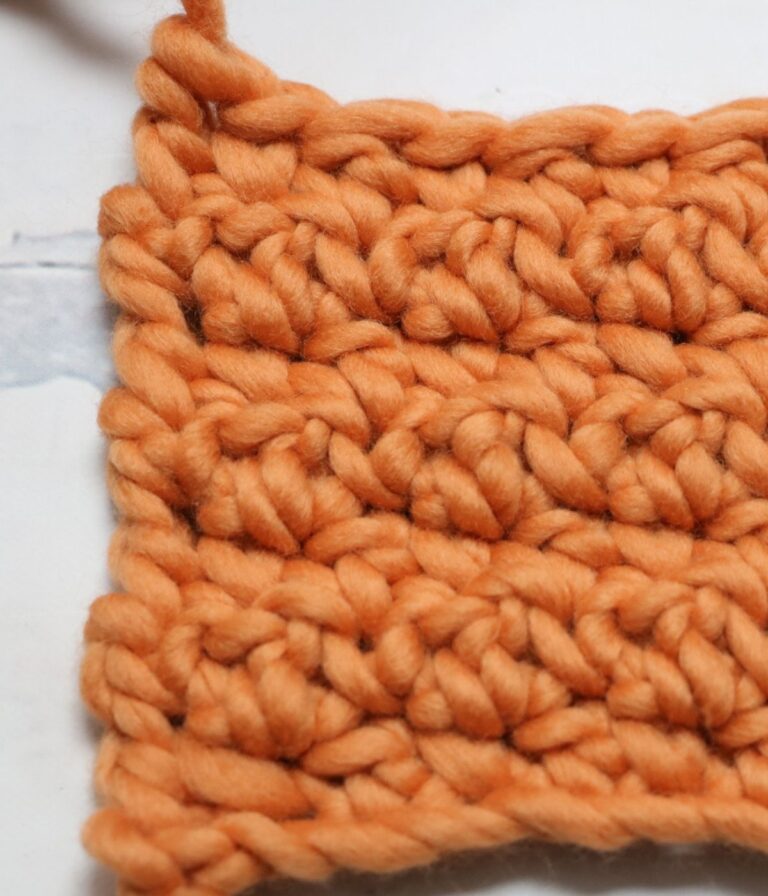
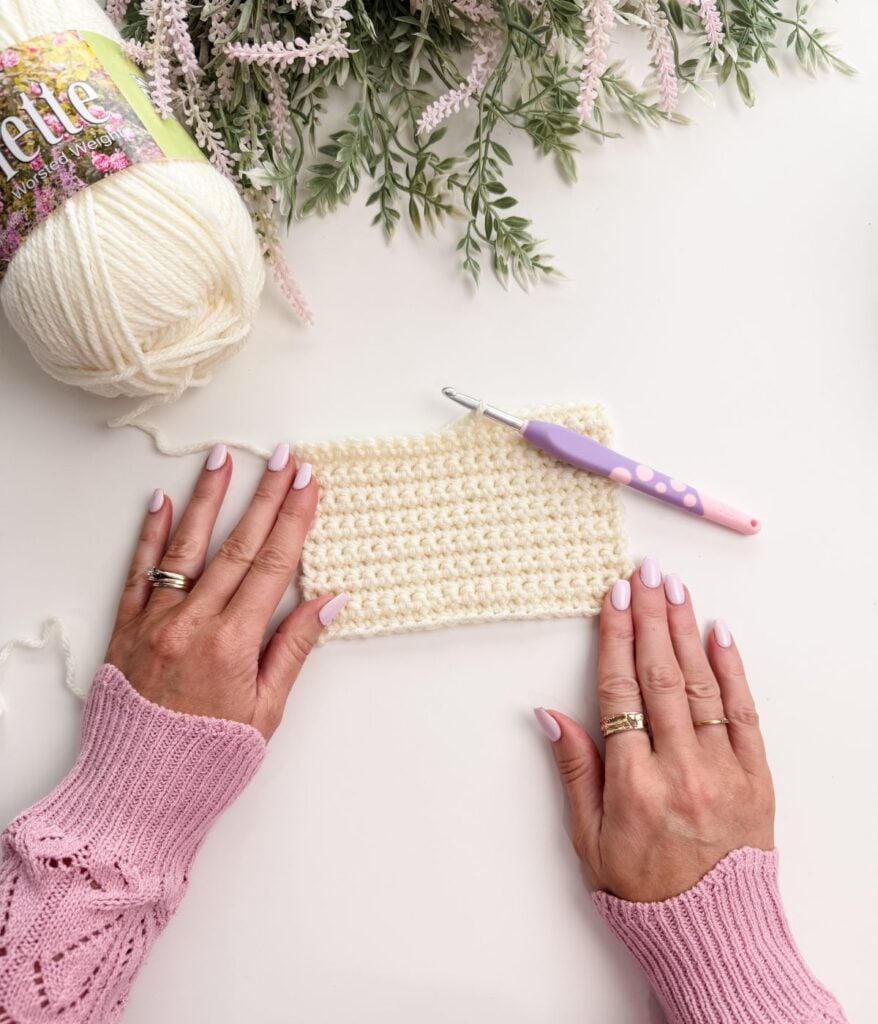
- Smooth texture
Smooth yarn makes it easy to see each stitch and understand how the fabric is forming. - Light to medium colour
Lighter colours show stitch definition much better than dark shades. - Medium thickness
Worsted-weight yarn is ideal for beginners because it’s not too thin or too bulky.
This combination gives you the clearest view of your stitches and makes learning much more enjoyable.
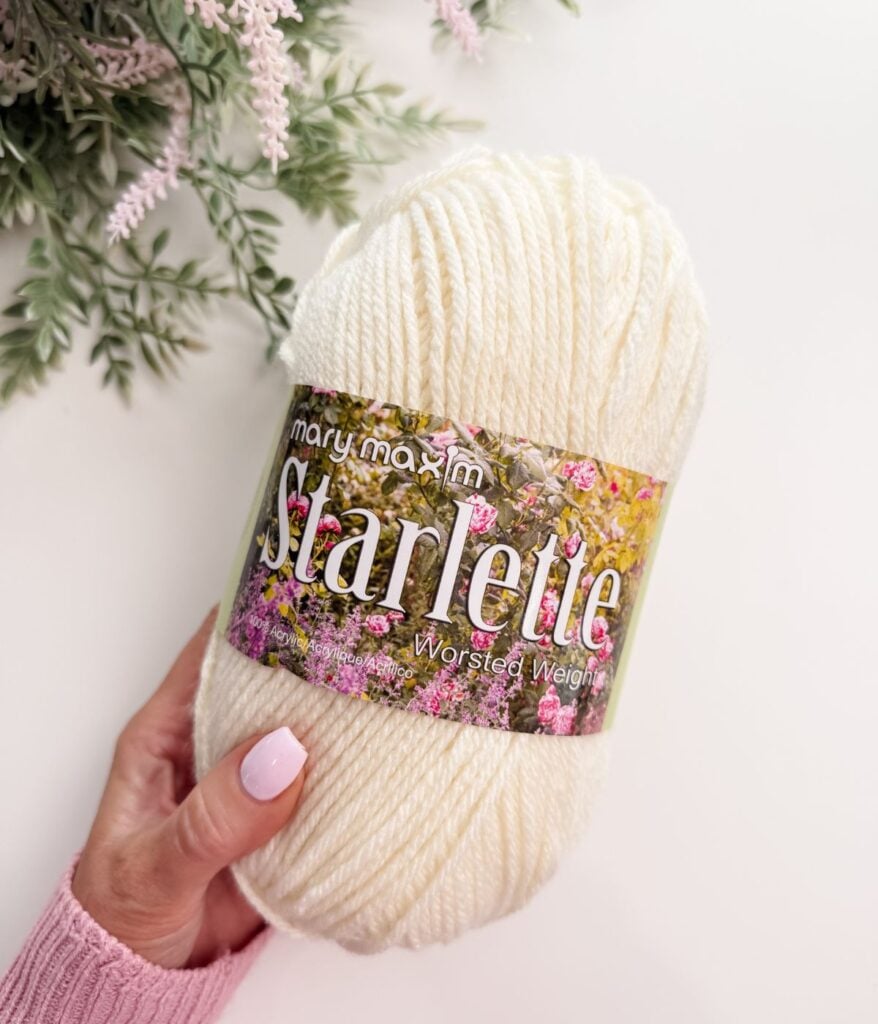
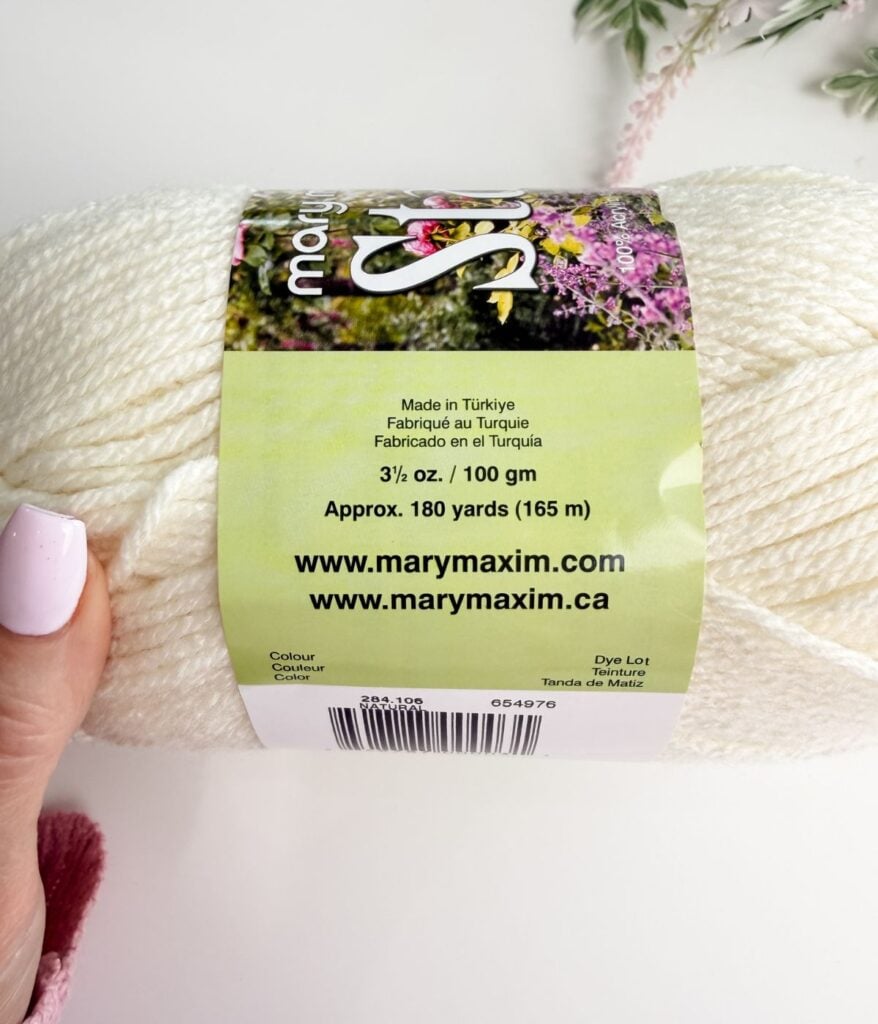
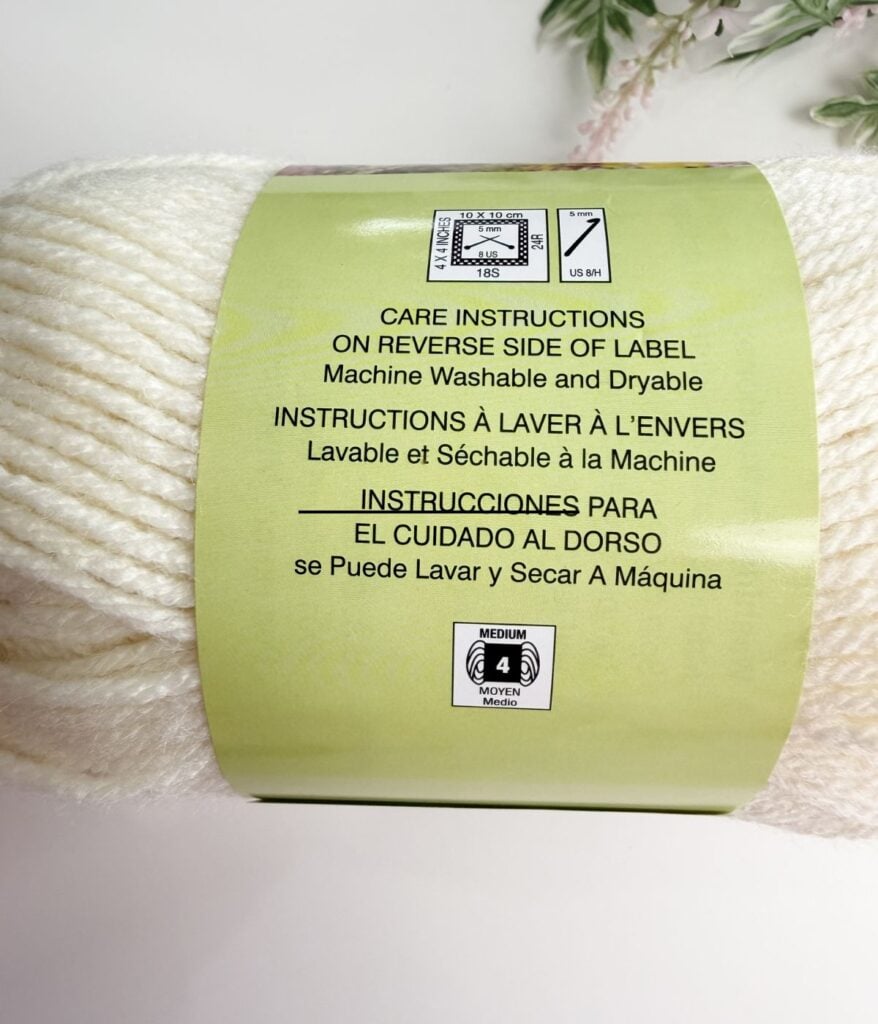
Mary Maxim Starlette Yarn (Canadian Site)
Best Yarn Weight for Beginners
Worsted-weight yarn is one of the most popular and beginner-friendly yarn weights.
It’s:
- Easy to hold
- Widely available
- Used in many beginner patterns
- Great for practising stitches
In my community, worsted-weight yarn consistently comes up as the most popular choice for garments, blankets, and home decor. It’s versatile and forgiving, which is exactly what you want when you’re learning.
Beginner Friendly Fibre Types
Not all fibres behave the same way, and some are much easier to learn with than others.
Great fibre choices for beginners include:
- Acrylic – affordable, durable, and easy to work with
- Cotton – smooth, sturdy, and great for stitch definition
- Acrylic blends – combine the benefits of both
These fibres hold their shape well and are forgiving if you need to pull back stitches and try again.
Beginner Friendly Yarn Recommendations
If you’re new to crochet and want a yarn that will make learning easier instead of harder, these are yarns I consistently recommend to beginners in my community. They’re easy to work with, widely available, and forgiving while you’re learning.
- WeCrochet Brava Worsted
A smooth, durable acrylic yarn with excellent stitch definition. Brava Worsted is easy to see, easy to frog, and works well for practising basic stitches, garments, and blankets. - Red Heart Super Saver, (Canadian Site Link) also found at Walmart and Micheal’s
A classic beginner yarn that’s affordable and easy to find. Super Saver holds its shape well and is great for learning consistency, tension, and stitch placement. - Mary Maxim Maximum Value (Canadian Site Link)
A soft acrylic yarn that’s comfortable to hold and simple to work with. Maximum Value is an excellent choice for first projects like hats, scarves, and blankets. - Herrschners Cottage Cotton
A smooth cotton yarn with excellent stitch definition. Cottage Cotton is ideal for beginner projects like dishcloths, bags, and other home decor where structure and durability matter. - Loops and Threads Soft Classic from Michael’s
A beginner-friendly acrylic yarn that’s soft, smooth, and easy to work with. Soft Classic is an excellent option for practising stitches and making simple projects, and it’s found exclusively at Michaels.
These yarns allow you to clearly see your stitches, practise confidently, and focus on learning the basics without unnecessary frustration.
Yarn to Avoid When You’re First Learning
Certain yarns can make learning crochet much harder than it needs to be.
I recommend avoiding:
- Very dark coloured yarn
- Fluffy or fuzzy yarns
- Highly textured or novelty yarns
- Very thin yarns
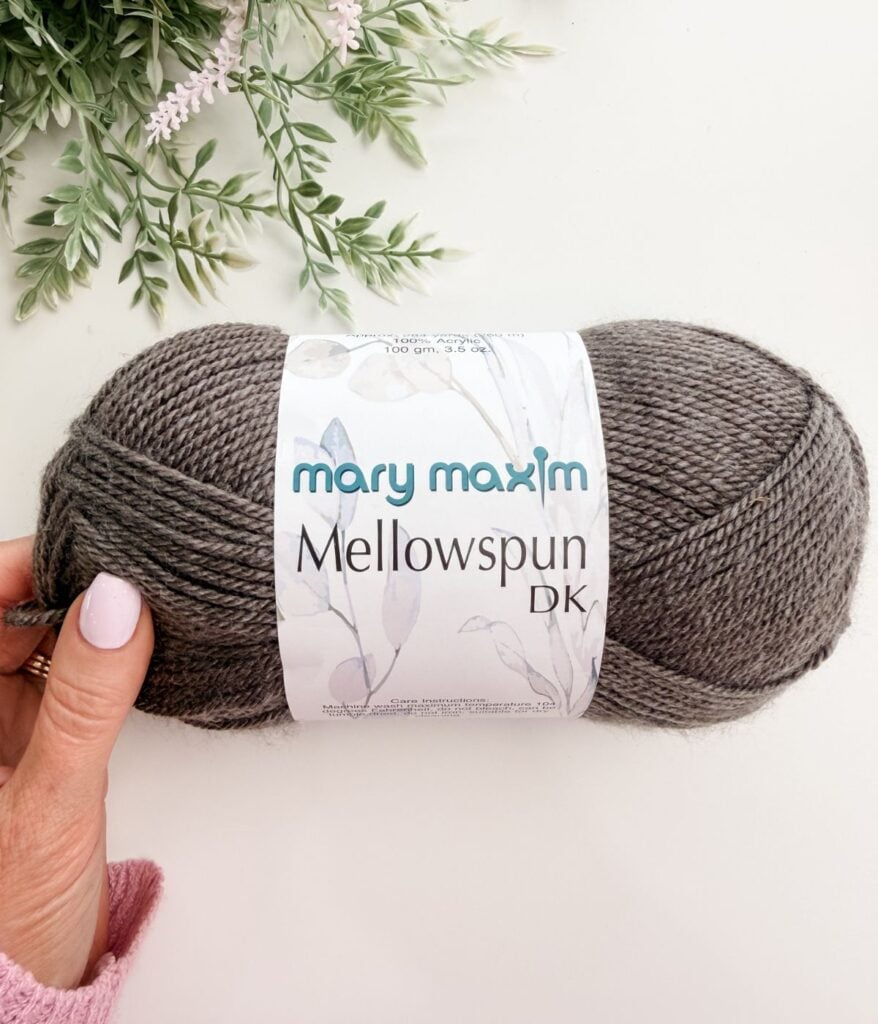
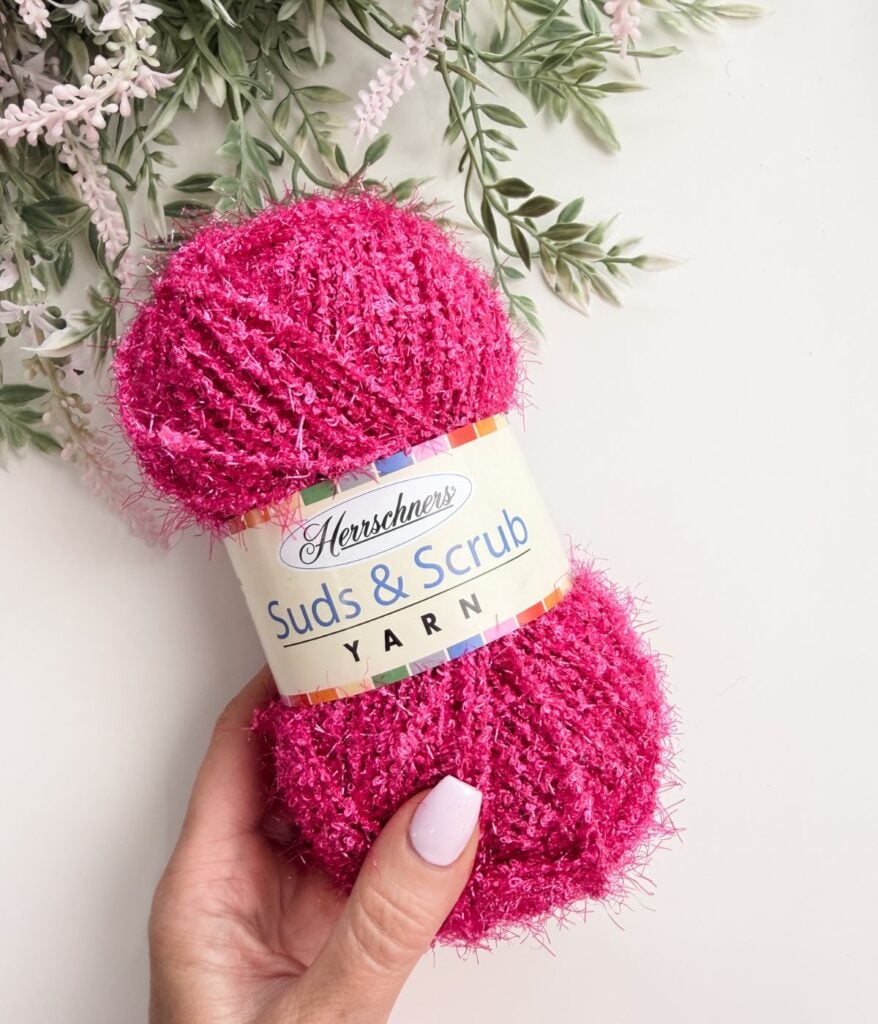
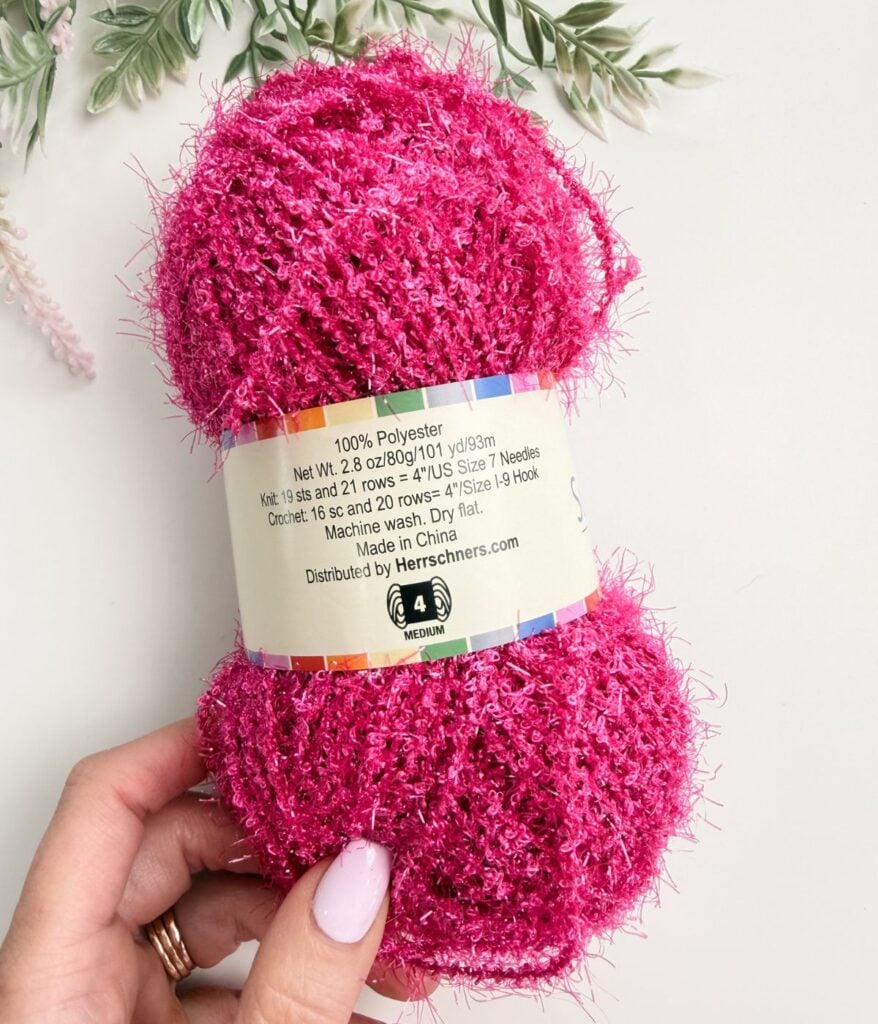
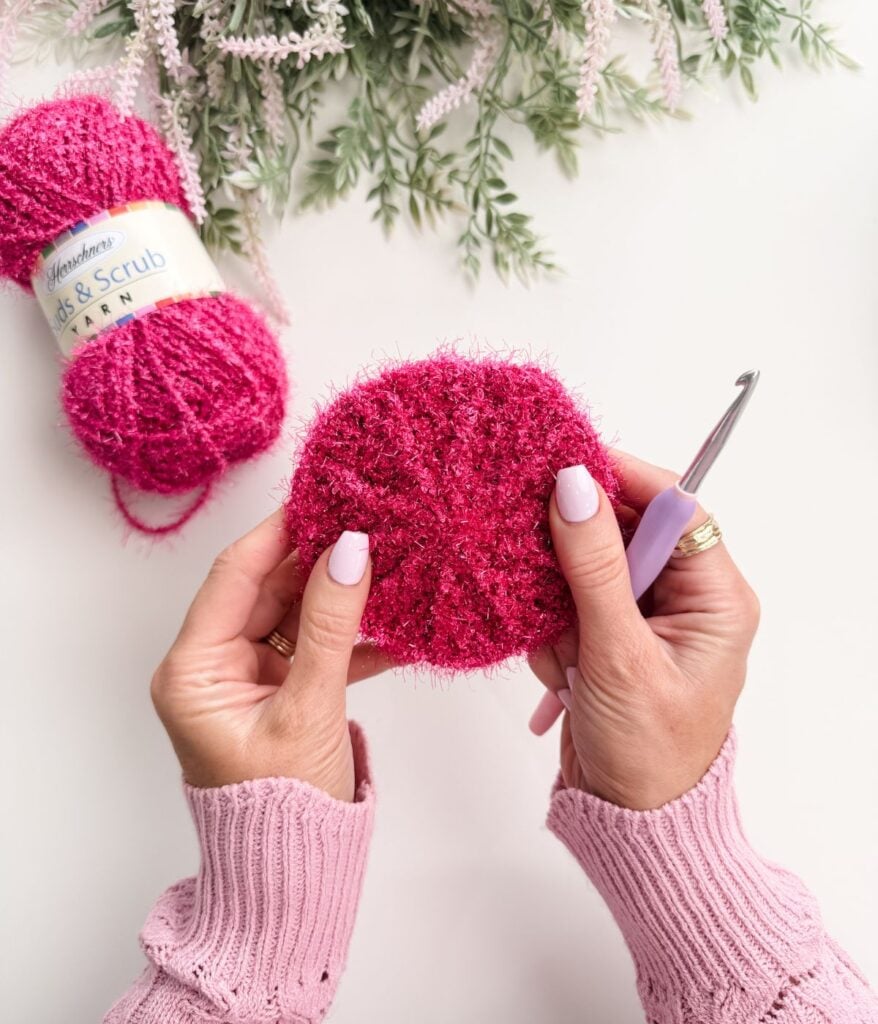
These yarns hide stitch definition and make it difficult to see where to place your hook. I made this mistake myself when I was starting out, gravitating toward beautiful, fancy yarns that were actually much harder to work with as a beginner.
Yarn Weights Explained for Beginners
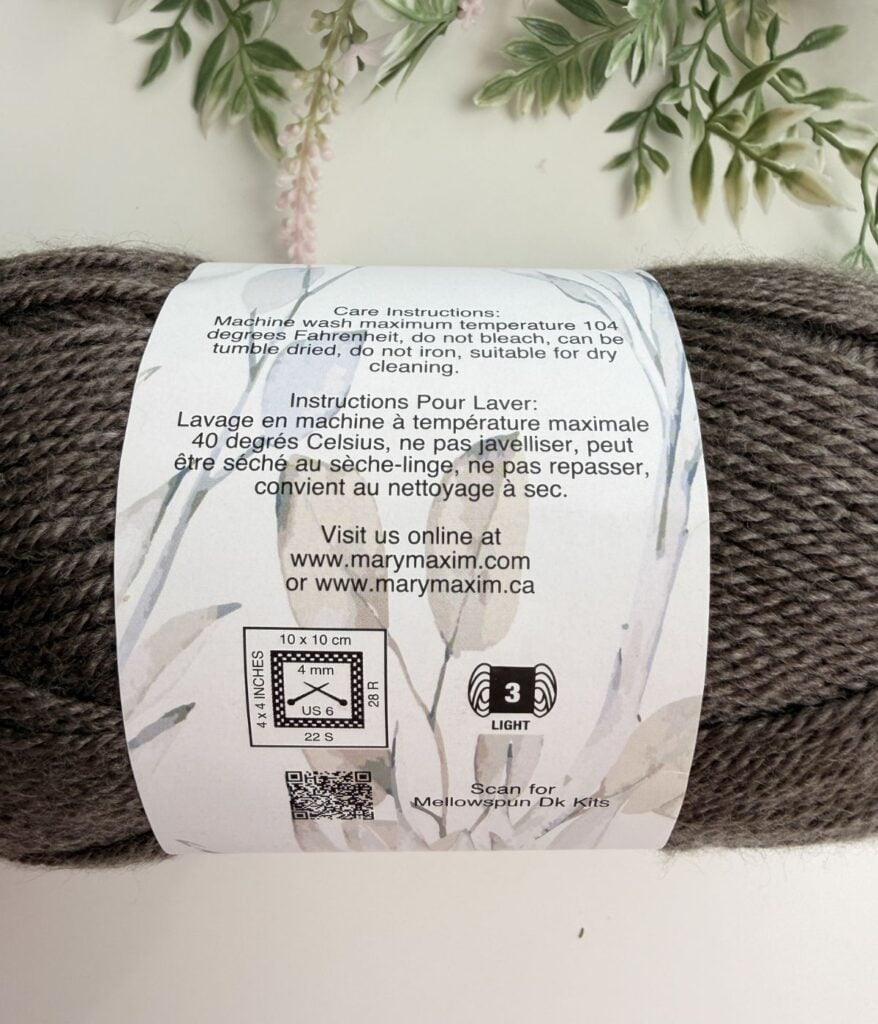
Yarn weight simply means how thick the yarn is. The thicker the yarn, the larger your stitches will be. In North America, yarn is grouped into numbered categories to show thickness:
- 0 – Lace (very thin)
- 1 – Super Fine (also called fingering or sock)
- 2 – Fine (sport weight)
- 3 – Light (DK or light worsted)
- 4 – Medium (worsted or aran)
- 5 – Bulky (chunky)
- 6 – Super Bulky
- 7 – Jumbo (very thick)

Why Colour and Texture Affect Learning
Being able to see your stitches clearly is critical when you’re learning.
Dark yarns can be hard on your eyes, especially under certain lighting. As I’ve gotten older, I’ve noticed I often need my reading glasses when working with dark colours now. That’s another reason I recommend lighter colours, especially for early learning.
Fuzzy or overly textured yarns blur stitch definition, which makes it harder to:
- Identify individual stitches
- Count stitches accurately
- Spot mistakes early
Clear visibility helps you learn faster and with less frustration.
Yarn Choice and Motivation
When you can see your stitches clearly and your projects work up quickly, learning feels rewarding.
Using the right yarn helps you:
- Finish projects faster
- Spot mistakes early
- Build confidence
- Stay motivated
That sense of accomplishment is essential. Completing something and feeling good about it makes you excited to keep going and try the next project.
A Note About Yarn Labels
Yarn labels provide helpful information, but they don’t tell the whole story.
Even yarns labelled with the same weight can vary significantly between brands. This is something we’ll dive much deeper into later when we talk about yarn substitution and gauge.
For now, your goal is simple: choose yarn that supports learning, not yarn that makes it harder.
Learn to Crochet With MJ Beginner Basics
What’s Next
Now that you know how to choose beginner-friendly yarn, the next step is understanding crochet hooks, hook sizes, and materials.
Helpful Resources
- Join our Facebook Crochet Community for pattern support and inspiration
- Subscribe on YouTube for hundreds of free tutorials
- Sign up for our newsletter and receive 40% off your first Ravelry purchase!
- Sign up for our YouTube Membership
This lesson is part of the Learn to Crochet course by Michelle Moore of MJ’s Off The Hook Designs Inc, based in Lakefield, Ontario, Canada.
Thank you for learning with me at MJ’s Off The Hook Designs. I hope this lesson encourages you to keep practising and enjoying the process of crochet.
You can find crochet patterns in our Ravelry and Etsy shops.
For daily inspiration and behind-the-scenes peeks, join me over on Facebook or Instagram or join our YouTube Membership for exclusive content!
You’ve got questions, we’ve got a community!
Crocheting is better with friends! Join our group to post pictures and ask all your pattern support questions.