*This post may contain affiliate links to support the cost of this blog. At no cost to you, I may make a small commission if you purchase through these links. Read our Privacy Policy HERE
Choosing the Perfect Yarn for Any Crochet Pattern
If you have ever fallen in love with a pattern but could not find the recommended yarn, you are not alone. Yarn lines get discontinued, sold out, renamed, or simply hard to find, depending on where you live.
As a designer with over 10 years of experience, I work with dozens of yarns each year and constantly substitute one for another. Over time, I have developed a method that helps ensure the project turns out the right size, with the right drape, and the right look.
This updated guide will teach you exactly how to choose a suitable yarn substitution so you can feel confident before you even start your project.
Why Yarn Substitution Matters
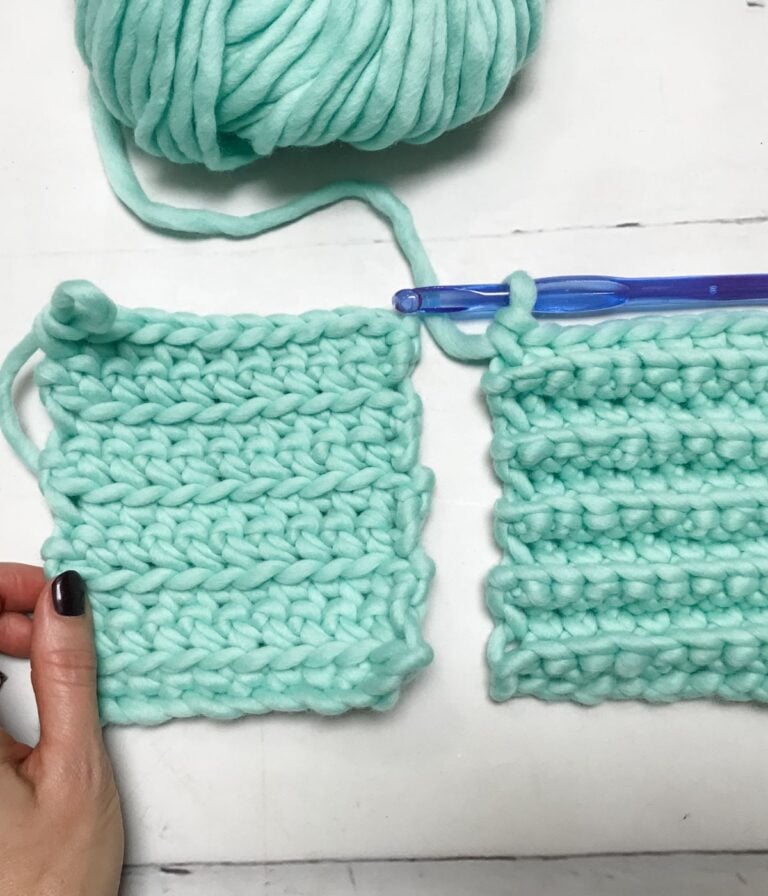
Even when two yarns share the same weight category, they can behave very differently. A yarn marked as a Number 3 Light Weight might be thin and airy in one brand and dense and sturdy in another. The same goes for every weight class.
Substituting yarn is not as simple as matching the yarn symbol on the label. Every yarn has its own personality: fibre, spin, density, stretch, loft, drape, and even how it reflects colour. All these factors affect your final result.
The more you understand about what makes yarn unique, the better your substitutions will be.
Step One
Start With the Yarn Weight Symbol
The yarn weight symbol is your first clue. If the pattern calls for a Weight 6 Super Bulky, you want to start your search in that category.
But remember
• Weight categories have wide ranges
• A yarn labelled as a Weight 6 may be much thicker or thinner than another Weight 6
• Weight categories are guidelines, not exact measurements
This is why we need to dig deeper.

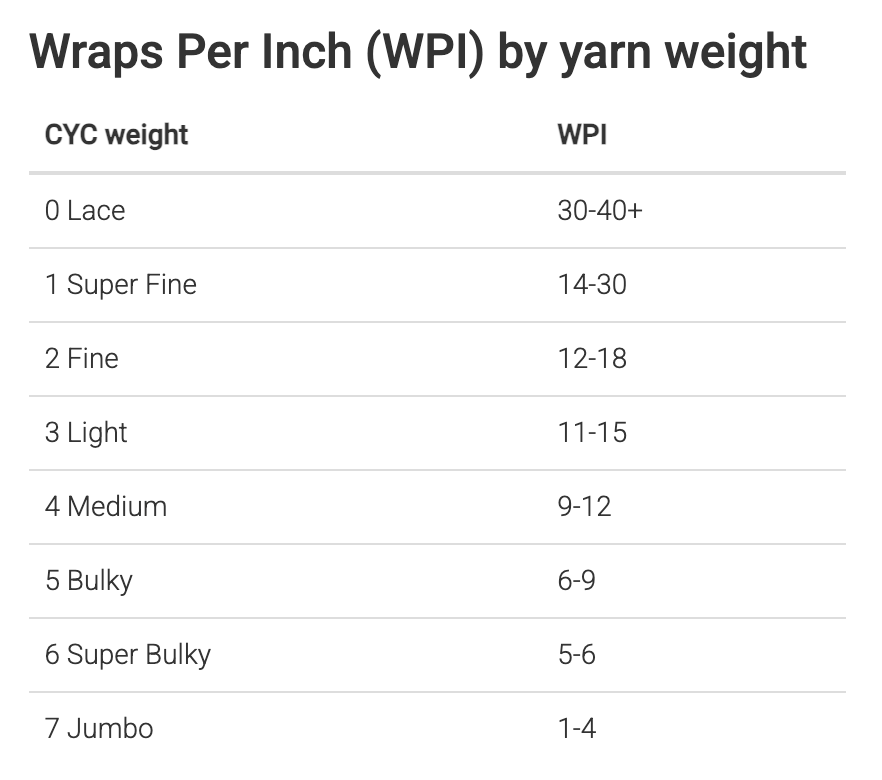
You can download these graphics HERE and find more info at Crafty Yarn Council
Step Two
Use the Yards Per Grams Equation
This is my favourite shortcut for comparing yarns, and it has saved so many projects over the years.
The formula
yards divided by grams
This tells you how dense or thick the yarn truly is.
A couple of examples:
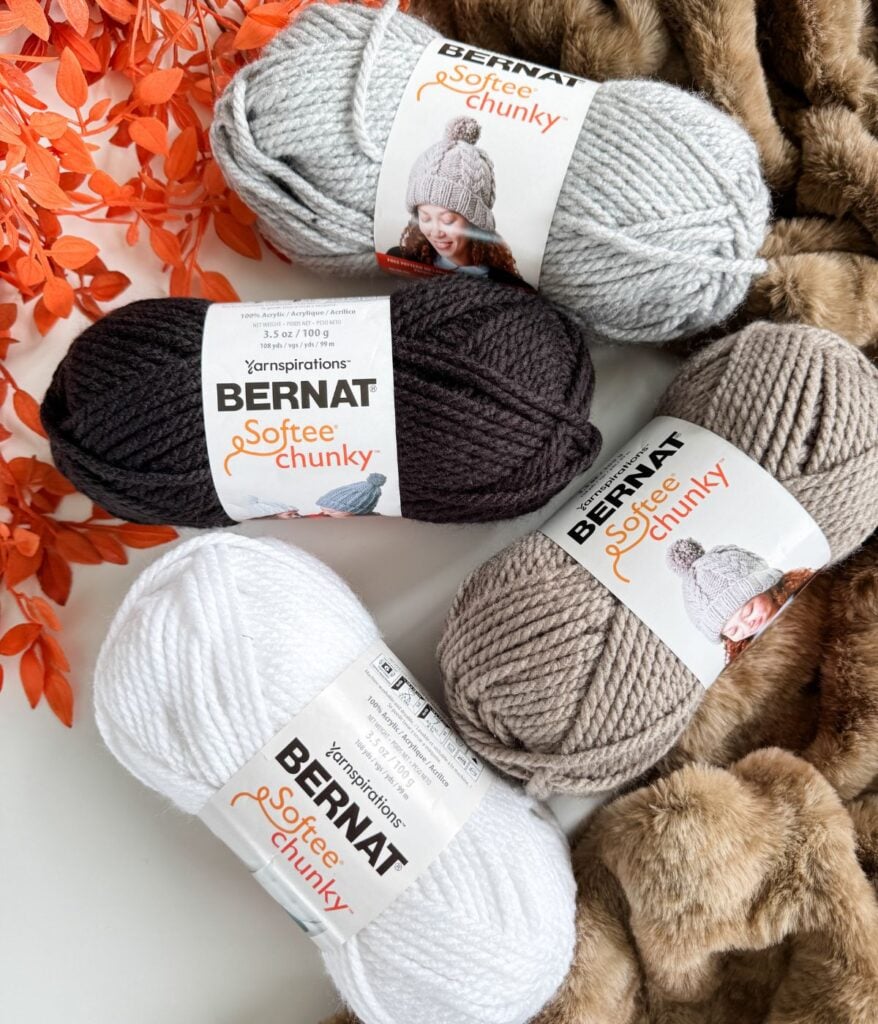
• Bernat Softee Chunky
108 yards per 100 grams = 1.08
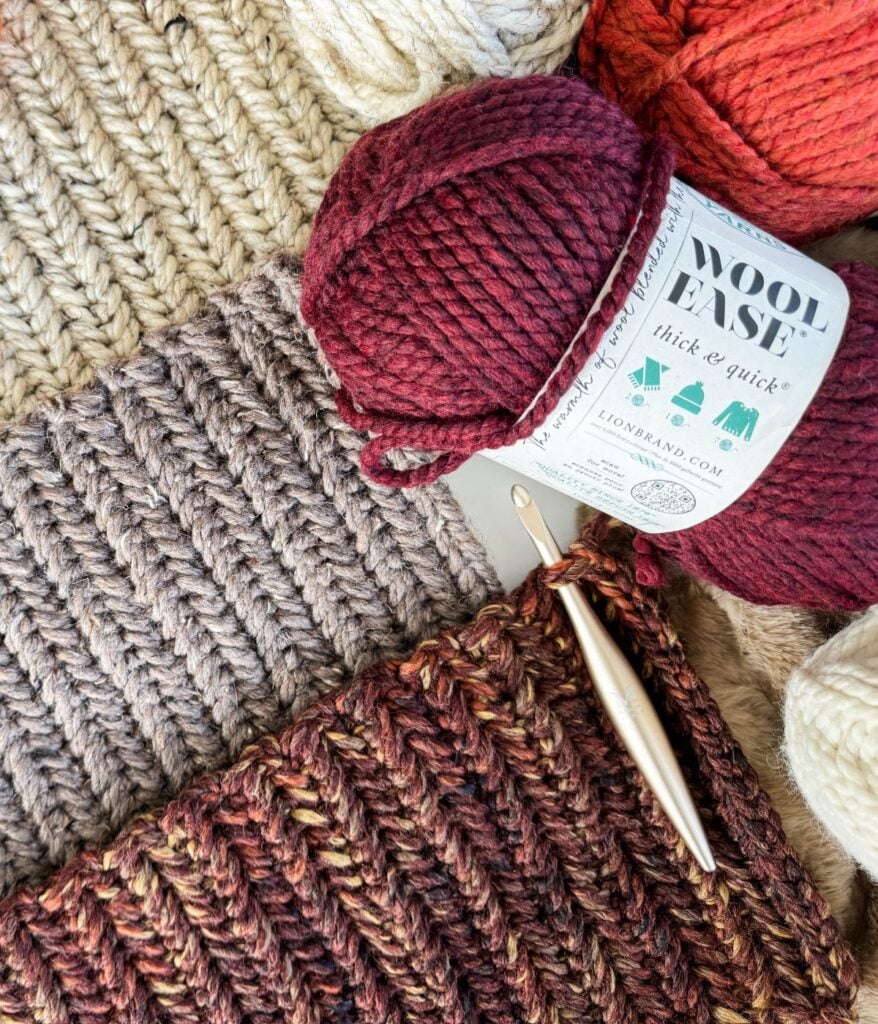
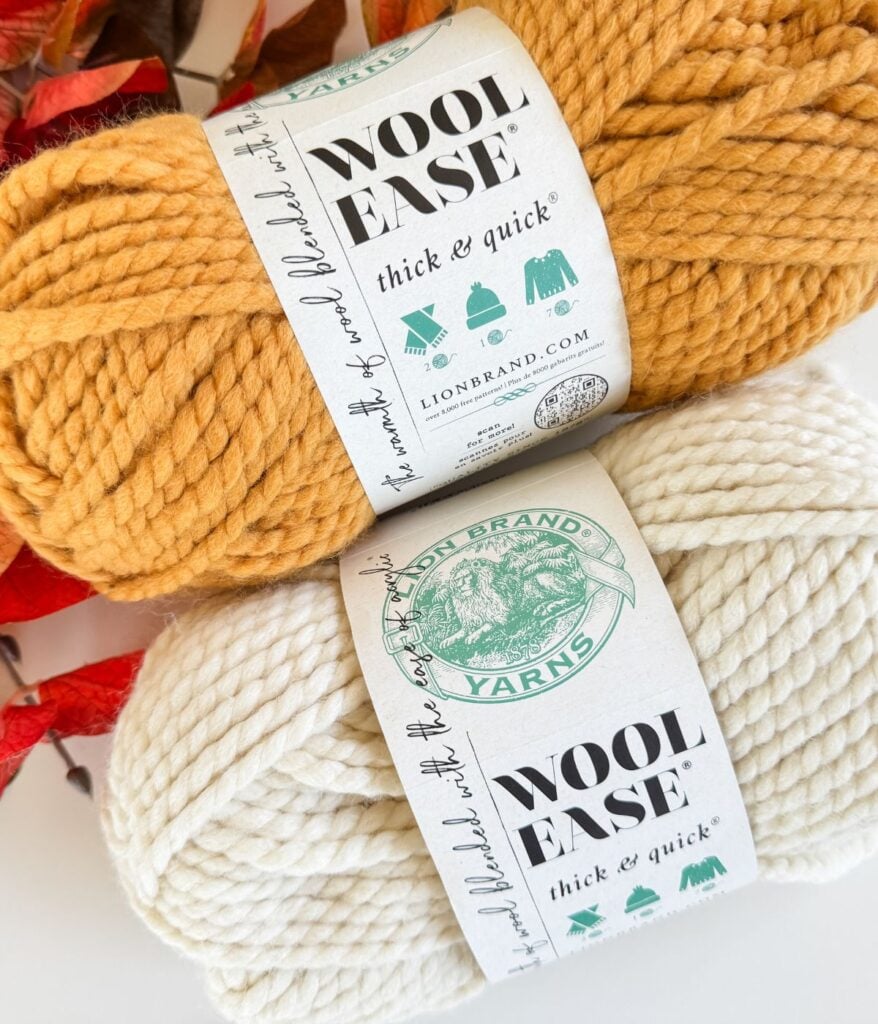
• Wool Ease Thick & Quick
106 yards per 170 grams = 0.62
Both yarns are Super Bulky Weight 6, but the numbers tell a completely different story. Wool Ease is much thicker than Softee Chunky, even though the label weight is the same.
When comparing yarns
• A higher number means the yarn is thinner
• A lower number means the yarn is thicker
• Numbers close together indicate a better substitution match
This simple equation is one of the most accurate ways to evaluate yarn.
The Sweet Spot for Substitution
A difference of about 0.10 to 0.15 is usually safe
When comparing yarns using the yards per gram equation, try to find a yarn that falls within about 0.10 of the original number. Up to 0.15 is usually still workable with a small hook adjustment. Once the difference is 0.20 or more, the yarn will behave noticeably differently, so make sure to swatch and check your gauge.
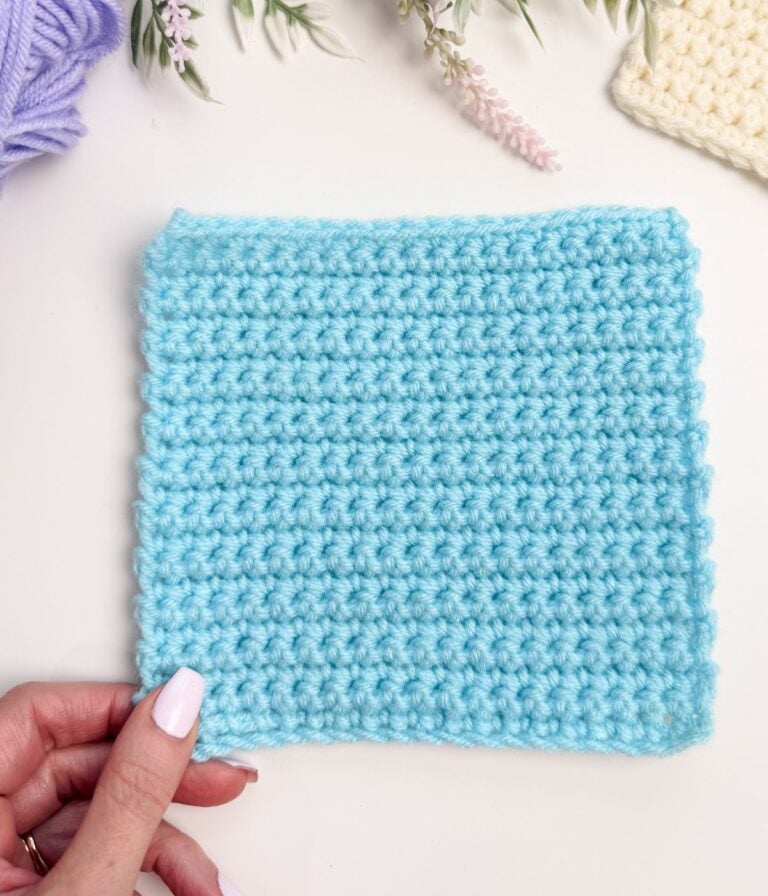
Always remember that even if your substituted yarn matches exactly on paper, you still need to make a gauge swatch.
Every yarn behaves differently once it is worked up, even if the weight, fibre, and yards per gram calculations are identical. Your personal tension, the yarn’s twist, and the fibre blend all affect the final fabric.
If you want to learn more about why gauge matters and how to check it correctly, visit our Beginners’ Guide to Gauge post.
Step Three
Match the Fibre Content Whenever Possible
Fibre can dramatically impact how your finished project looks and behaves. When choosing a substitute, matching the fibre is almost as crucial as matching the weight.
Here is why fibre matters
• Wool has elasticity and bounce
• Acrylic has little stretch and tends to grow less
• Cotton has no stretch and can feel heavier
• Blends add drape, shine, durability, and softness
• Natural fibres block differently from synthetics
If a pattern is designed with wool and you switch to acrylic, your project may
• Stretch less
• Drape differently
• Require a different hook size
• Need more adjustments
Substitution does not mean you cannot switch fibre types, but you should expect slight differences in fit and feel.
If possible, choose a substitute that has a similar fibre blend. Your results will almost always be more predictable.
Step Four
Check the Yarn Spin, Ply, and Texture
Even if the numbers match, yarn structure can change everything.
Consider
• Single ply vs multi ply
• Soft halo vs crisp twist
• High loft vs dense structure
• Smooth acrylic vs roving wool
For example
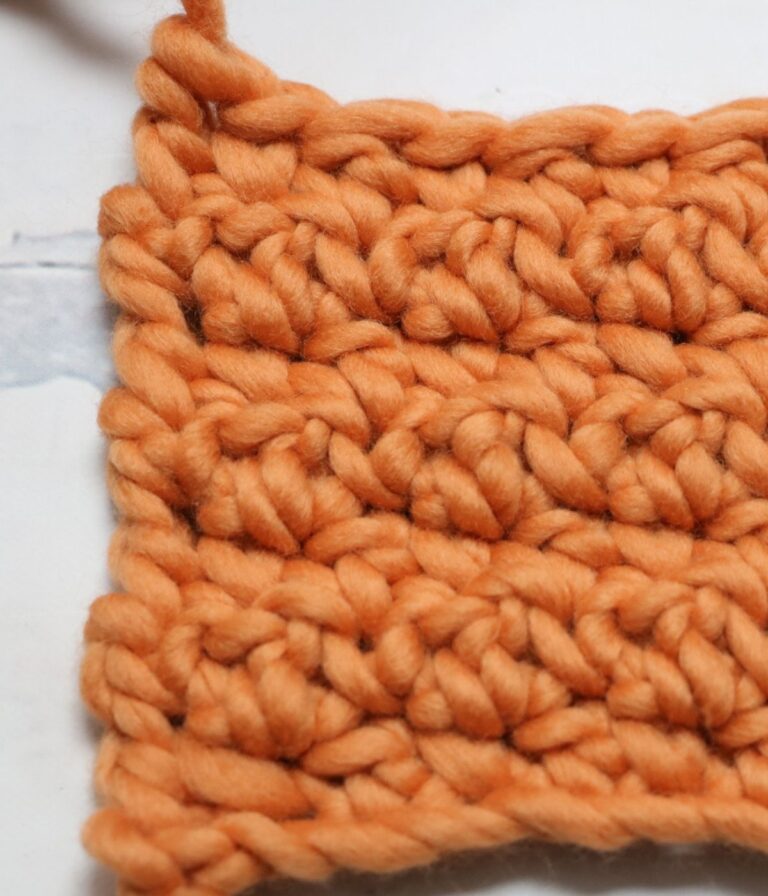
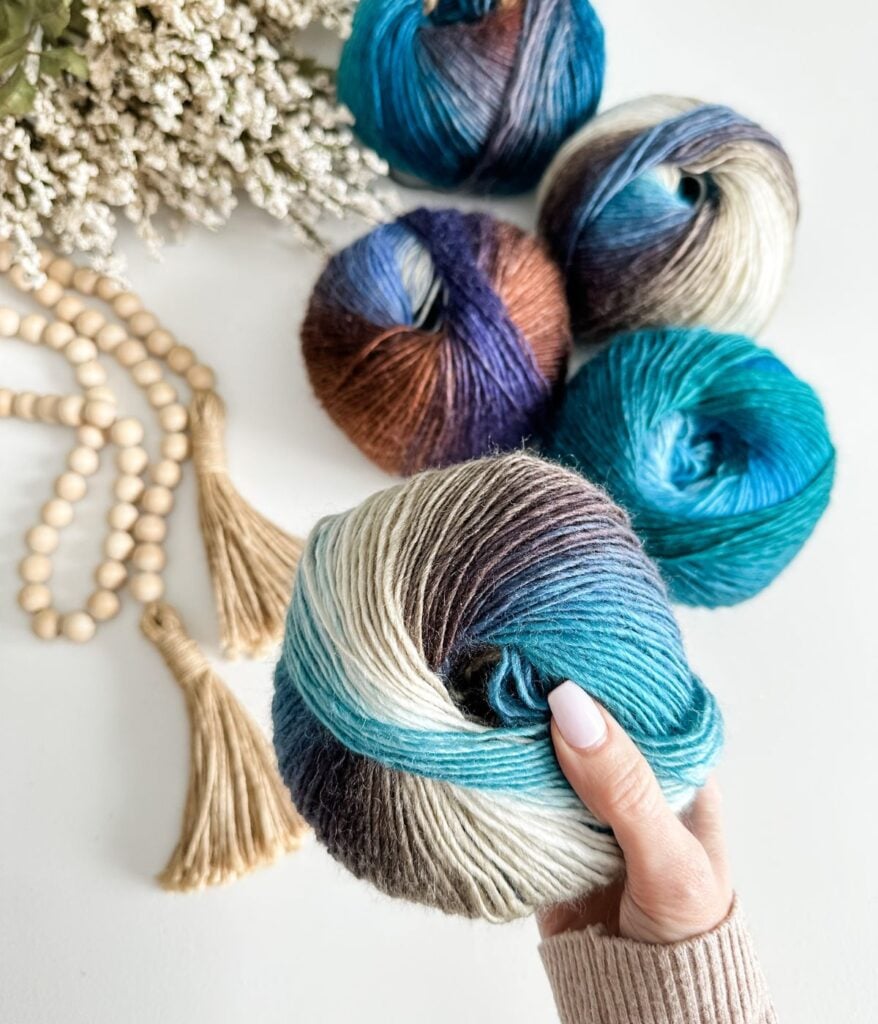
A smooth acrylic with a tight twist may create sharp stitch definition, while a loftier roving wool may blur the stitches even if the weight and fibre match perfectly.
This is why swatching is essential.
Step Five
Always, Always Check Your Gauge
Gauge is the final truth teller.
Even when you
• Match the weight
• Match the yards per gram
• Match the fibre
• Match the ply
Your gauge still might differ. Every crocheter has a unique tension, and every yarn behaves differently in your hands.
Make a small swatch using the stitch pattern from your project. Adjust your hook size until your gauge matches the pattern. If you cannot match the gauge without the fabric feeling strange or stiff, you may need to choose another yarn.
For more information on gauge, visit our Free Beginners’ Guide to Gauge.
Step Six
Use YarnSub.com for Additional Support
We are all crocheting from different parts of the world, and not every yarn is available everywhere. Sometimes the yarn listed in a pattern is discontinued, sold only in certain regions, or simply hard to find locally. That is where YarnSub.com becomes an incredibly helpful tool.
YarnSub.com gives you
• Fibre comparisons
• Closest commercial matches
• Yardage differences
• Availability information based on global markets
• Price comparisons
It is one of the best resources for finding yarns that are available to you, especially when the suggested yarn or common substitutions cannot be purchased in your area. It is a fantastic starting point when you are unsure which direction to take.
Using Wraps Per Inch When the Yarn Label Is Missing
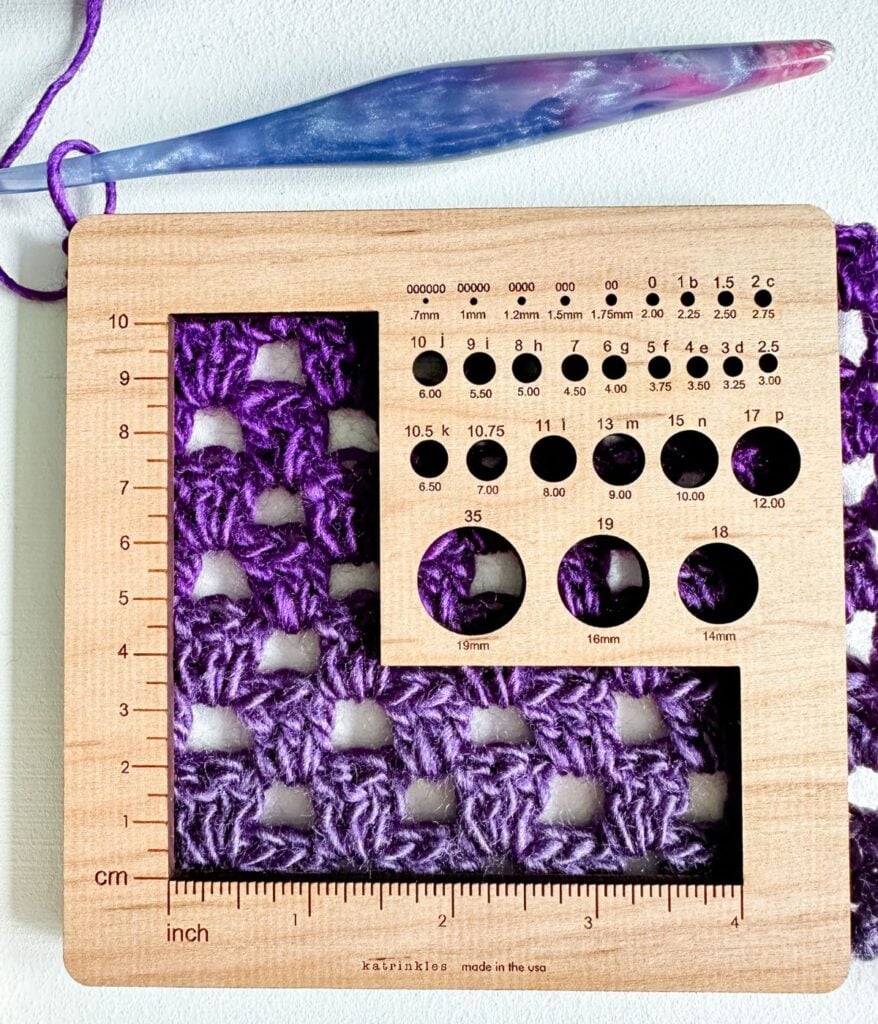
If you ever come across an unlabelled yarn or a partial skein from your stash, the wraps per inch (WPI) method is a simple and reliable way to estimate its weight. All you need is a ruler and something smooth to wrap the yarn around, or a handy wraps per inch tool.
Gently wrap the yarn side by side without pulling too tightly, then count how many wraps fit within one inch. Each yarn weight has a typical WPI range, so this quick test helps you determine whether your mystery yarn is closer to a number 3, 4 or 5 weight and gives you a much better starting point for choosing a suitable substitute.
It is also a helpful tool when comparing two yarns that seem similar but behave differently once you start crocheting.
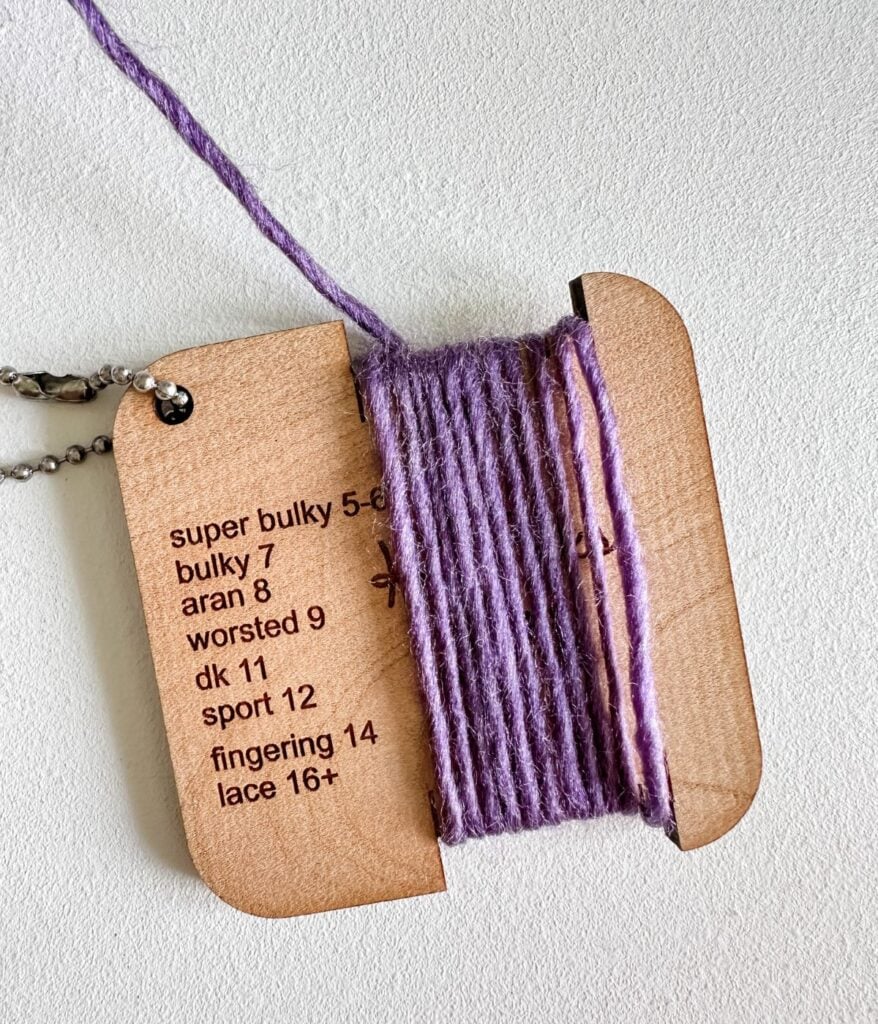
Watch me demonstrate how the wraps per inch tool works, and learn more about why yarns labelled with the same weight can behave so differently. https://youtu.be/qwwzDst9xi8?si=ZtrBKTWcRRrY7VK3&t=723

The Real Reason Yarn Weights Can Be Confusing
You have probably noticed that yarns listed in the same weight category can look completely different. That is because weight categories are very broad. Each brand determines where its yarn fits within the range. This is why the yards per gram equation is such a game-changer. It allows you to compare yarns more accurately than the label ever will.
Quick Tips for Substituting Yarn Successfully
- Start by matching the labelled yarn weight
- Use yards per grams to determine actual thickness
- Match the fibre as closely as possible
- Consider spin, ply, and texture differences
- Swatch before committing
- Adjust your hook size to match the gauge
- When in doubt, test the ribbing or a small section first
- Use YarnSub.com as a reference
- Buy an extra ball if you are unsure
- Use Wraps Per Inch Tool
A Personal Note
As a crochet designer, I work with everything from delicate cottons to lofty super bulkies, and I have learned that no two yarns are exactly alike. Even within the same brand, dye lots, spin cycles, and fibre batches can vary.
Yarn substitution is part science, part instinct, and part practice. The more you experiment, the easier it becomes. I hope that this guide gives you the confidence to explore, substitute, and create beautiful projects even when you cannot find the exact yarn listed in a pattern.
More posts you may enjoy:
This post is written by Michelle Moore of MJ’s Off The Hook Designs Inc., based in Lakefield, Ontario, Canada. Your go-to source for modern, easy crochet patterns.
Thank you for visiting MJ’s Off The Hook Designs! I hope you enjoyed this post and feel inspired to pick up your hook and start creating.
You can find crochet patterns in our Ravelry and Etsy shops.
For daily inspiration and behind-the-scenes peeks, join me over on Facebook or Instagram or join our YouTube Membership for exclusive content!
You’ve got questions, we’ve got a community!
Crocheting is better with friends! Join our group to post pictures and ask all your pattern support questions.